Clinical Assessment and Radiofrequency Management for Benign Skin Lesions
Radiofrequency Skin Lesion & Mole Removal in North Lakes, Brisbane
At SunMed Skin & Medical in North Lakes, we provide comprehensive clinical evaluations and procedural options for patients seeking the removal of benign skin lesions. Our clinic utilises the Ellman Surgitron® Dual Radiofrequency System, a medical technology designed for precise tissue excision and management.
Traditional surgical removal methods often involve scalpel incisions and sutures. Radiofrequency (RF) surgery offers an alternative approach, utilising high-frequency radio waves to excise or shave superficial skin tissue.
Clinical Attributes of Radiofrequency Surgery:
- Precision: Designed to target the specific lesion while minimising impact on surrounding skin tissue.
- Coagulation: The radiofrequency energy coagulates blood vessels during the procedure, reducing localised bleeding.
- Healing Process: Less peripheral thermal tissue damage generally supports an efficient healing environment.
- Sutures Typically Unnecessary: Many superficial lesions can be treated flush with the skin, avoiding the need for traditional stitches.
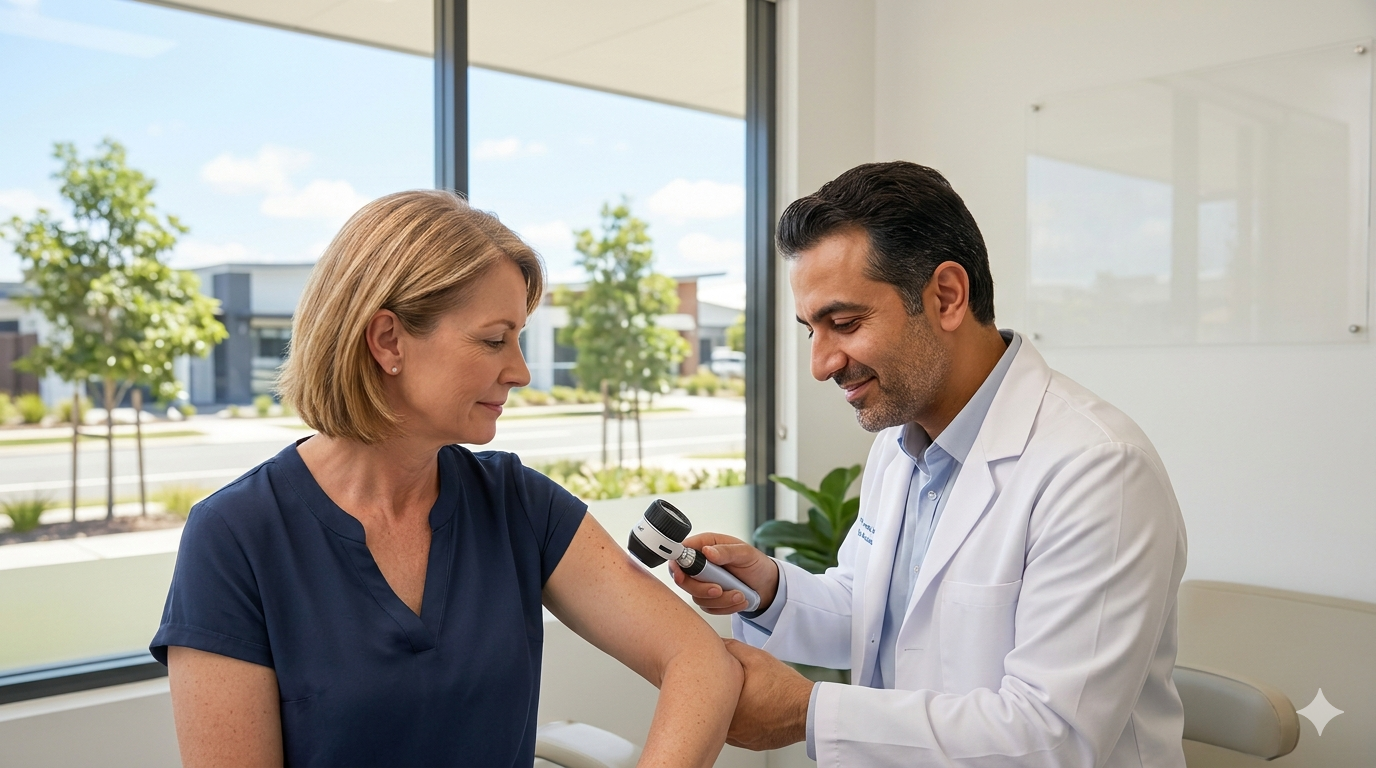
All clinical consultations, skin examinations, and radiofrequency procedures are performed on-site by Dr Majid Alinia, an experienced general practitioner with advanced qualifications in skin cancer medicine and surgery.
Conditions Assessed and Managed at Our North Lakes Clinic
Before any skin spot or growth is treated, it must undergo a thorough medical evaluation to ensure it is entirely benign.
1. Benign Mole Assessment & Removal (Naevi)
Patients frequently request the assessment and removal of moles for practical or cosmetic reasons, particularly when the moles are:
- Raised and frequently catching on clothing, eyewear, or razors.
- Constantly irritated or uncomfortable due to regular friction.
- Situated in prominent areas, affecting a patient’s personal comfort or appearance.
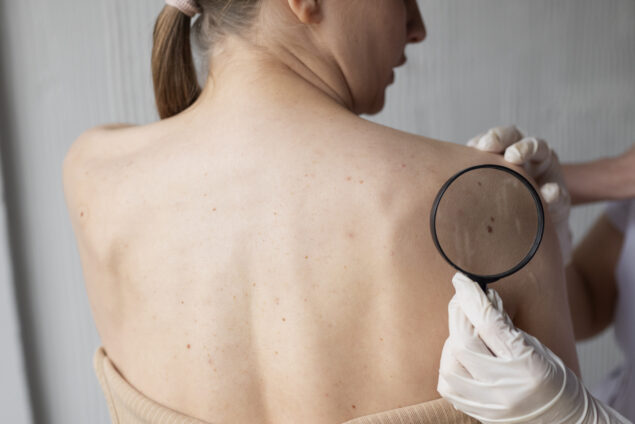
Medical Priority: Every mole is meticulously examined via dermoscopy before any procedure is scheduled. If a mole exhibits any atypical, asymmetrical, or suspicious features indicative of potential skin cancer, a standard surgical excision and diagnostic biopsy will be performed instead of a cosmetic radiofrequency shave.
2. Skin Tag Removal (Acrochordons)
Skin tags are common, benign folds of skin that typically develop in high-friction areas. They are frequently found on the:
- Neck and collar line
- Eyelids
- Underarms (axillae)
- Groin area
- Underneath the breasts
Radiofrequency surgery offers a straightforward clinical method to remove these lesions, often achievable during a single scheduled appointment following a suitability assessment.
3. Seborrhoeic Keratoses
These are non-cancerous, age-related skin growths that can vary significantly in texture and tone. They commonly present as:
- Brown, black, or tan surface lesions.
- Growths with a distinct waxy, rough, or “stuck-on” appearance.
Many seborrhoeic keratoses can be safely planed down flat to the surrounding skin level using radiofrequency technology.
4. Spider Angiomas & Superficial Vascular Lesions
Spider angiomas consist of a small, central dilated blood vessel with minor capillaries radiating outwards. They are most visible on the:
- Face, nose, and cheeks
- Upper chest and neck
The high-frequency energy of the Ellman Surgitron® allows for precise targeting of these small surface vessels to reduce their visibility.
5. Cherry Angiomas
These small, bright red spots are benign vascular clusters that often appear as the skin matures. Radiofrequency treatment targets the localised blood pool within the spot, allowing it to dry up, form a minor crust, and heal over the subsequent weeks.
6. Other Benign Dermatological Conditions
Subject to a clinical evaluation, we may also manage the following:
- Sebaceous hyperplasia (enlarged sebaceous glands)
- Milia (small, superficial keratin cysts)
- Certain benign fibromas
- Selected xanthelasma lesions (deposits near the eyelids)
The Patient Journey: What to Expect
Your Initial Consultation
Your care begins with a mandatory pre-procedural consultation with Dr Alinia. During this appointment, your doctor will:
- Examine the lesion thoroughly using advanced dermoscopy.
- Confirm whether the growth meets the safety criteria for radiofrequency removal.
- Discuss the specific steps, known risks, and expected clinical outcomes.
- Inform you if the removed tissue needs to be sent for formal histopathological testing (pathology).
During the Procedure
Minor radiofrequency surgeries are performed under local conditions in our dedicated treatment rooms at North Lakes. Procedures generally take between 10 to 30 minutes.
- A local anaesthetic is administered to completely numb the immediate area.
- Patients experience minimal discomfort during the process.
- Following the treatment, you are able to return to your normal daily activities.
Aftercare & Recovery
The skin recovery phase varies by individual, but expected temporary post-treatment events include:
- Mild localised redness or slight swelling around the site.
- The formation of a small, dry crust or scab within 24 to 48 hours, which should be allowed to shed naturally.
- Temporary skin colour variations (hypopigmentation or hyperpigmentation) as the new skin fully matures.
Arrange Your Clinical Skin Assessment
If you have uncomfortable skin tags, prominent moles, or vascular spots that affect your comfort, our clinical team at North Lakes can provide an expert assessment. Located in a central healthcare hub in Brisbane’s northern suburbs, SunMed Skin & Medical delivers evidence-based medical and cosmetic skin care solutions.
How many treatment sessions are usually required for vascular spots?
Can any type of mole be removed with radiofrequency surgery?
No. Only clinically confirmed, completely benign moles are eligible for radiofrequency shave removal. Due to Australia’s high rates of skin cancer, any lesion displaying suspicious or indeterminate characteristics under a dermoscope must undergo formal surgical excision and histopathological analysis.
What are the costs associated with mole and skin tag removal at SunMed?
Fees are determined based on the size, total number, location, and clinical complexity of the lesions treated during your visit. If a lesion is causing medical complications (such as chronic bleeding or inflammation) or requires formal pathology testing to rule out disease, a portion of your consultation and procedure may qualify for a Medicare rebate. A full financial breakdown will be provided during your initial consultation.
Is the radiofrequency procedure painful?
The procedure itself is designed to be comfortable. Before utilising the radiofrequency device, a local anaesthetic is injected directly beneath the lesion to completely numb the area. You may feel a brief stinging sensation during the initial numbing injection, but you should not feel pain during the actual removal process.
Will I have a scar after radiofrequency mole or skin tag removal?
Any medical procedure that disrupts or cuts the skin carries an inherent risk of scarring. However, because radiofrequency allows raised lesions to be removed flush with the surrounding skin layer without deep incisions or sutures, the structural impact is minimised. The final cosmetic result depends on the location of the lesion, individual genetics, and adherence to post-treatment aftercare instructions. Dr Alinia will discuss your specific healing risks during your consultation.
What is radiofrequency skin lesion removal, and how does it work?
Radiofrequency surgery utilises high-frequency radio waves (4.0 MHz) passed through a microelectrode. The energy vaporises the fluid within the targeted cells, allowing the practitioner to excise or shave tissue cleanly. Because the energy is focused precisely at the tip of the electrode, it limits lateral heat transfer to the surrounding healthy skin structures.
Still have questions?
We provide a full range of medical services at SunMed Skin & Medical.
Schedule your appointment online or visit us in clinic